Leading Humanity in the Age of AI

A Story of Connection, Courage, and Change
A quiet shift is unfolding.
In boardrooms, in coaching conversations and between friends.
Through late-night exchanges with intelligent systems.
Across galleries and symposiums where reflection meets innovation.
This is not simply a story of technology.
It is a story of what it means to be human—when machines begin to think alongside us.
A Moment of Profound Transition
Artificial intelligence is no longer a distant possibility—it is a present force, reshaping how organizations operate, how leaders lead, and how individuals seek meaning in their work.
At the center of this shift are three intersecting currents:
• Leadership, under pressure to move from control to co-creation
• Coaching, called to hold space for deeper, identity-driven transformation
• Reflection and art, emerging as unexpected but powerful allies in navigating complexity
As automation increases and decisions are shared with intelligent systems, we face a critical design challenge: how to intentionally embed human interaction, engagement, and meaning into our workflows and institutions.
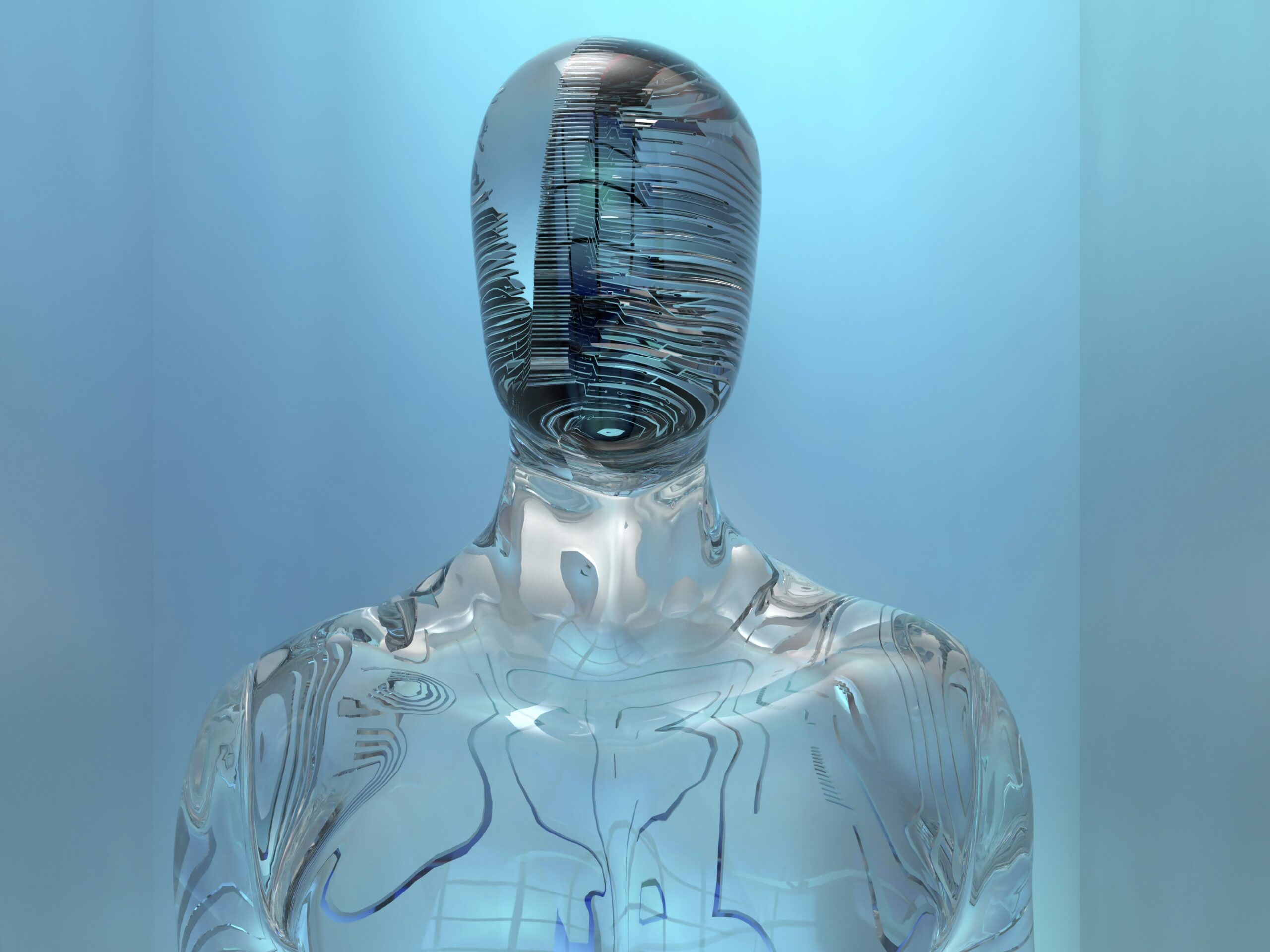
While AI can optimize efficiency, it cannot replace our need for belonging, for purpose, or for contributing to something greater than ourselves.
Designing for humanity in the age of AI is not about resisting technology—it is about shaping it.
We must ask:
How might this process help people feel more connected?
What does it mean to contribute meaningfully in a world enhanced by AI?
Where do we create space for reflection, creativity, and human growth?
These are not technical questions. They are human ones. And they belong at the center of strategic transformation.
The Human Turn in Generative AI
According to recent insights from HBR (1), interest in generative AI has more than doubled over the past year, with usage expanding far beyond technical applications.
What’s most striking is the shift from productivity tools toward emotional and existential support. In 2024, the most common uses were generating ideas, companionship, and specific search tasks. But by 2025, the top applications are:
1. Therapy and companionship
2. Organizing life
3. Finding purpose
This tells us something profound:
> In an age of accelerating automation, people aren’t just looking for efficiency—they’re searching for meaning, alignment, and inner clarity.
This pivot toward more human-centered use cases signals an urgent need to design AI systems—and work and leadership practices—that honor not just intelligence, but intention and integrity.
The Rise of Intelligent Companions
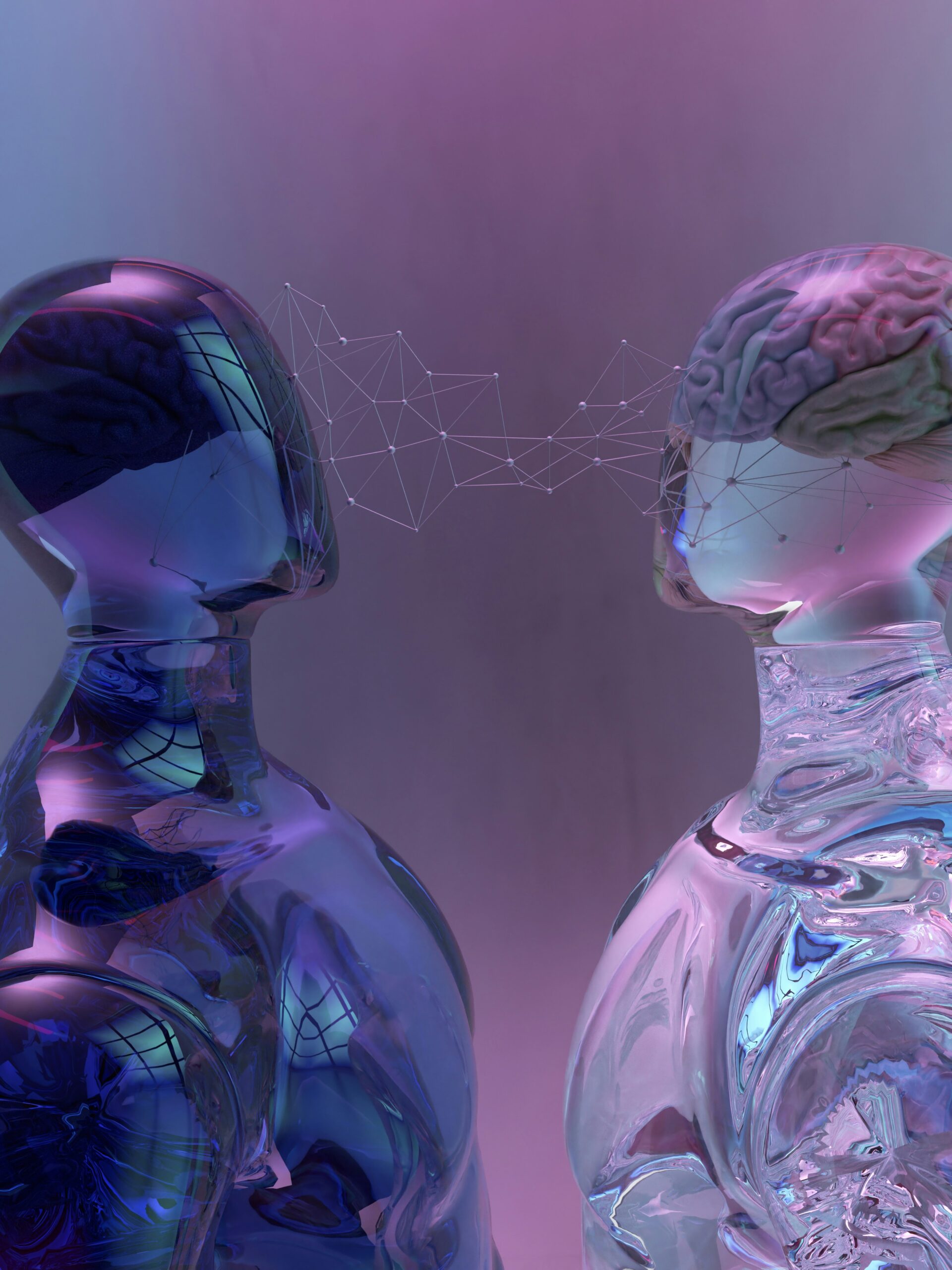
In a recent conversation (2) with Jonathan Bi, Reid Hoffman imagined a world filled not with isolated tools, but with social AI agents—relational systems that reflect, respond, and accompany us.
Already, systems like Pi (3) are being trained in emotional intelligence. These agents are beginning to:
• Support journaling, learning, and inner inquiry
• Mediate team conversations and leadership development
• Surface insights through generative reflection
A clinical trial recently showed that generative AI therapy can help reduce symptoms of depression (4), especially when designed to mirror empathy and emotional nuance. It’s a reminder that connection—not capability—defines transformation.
Still, what begins with AI must return to us.
Because presence, silence, and deep listening remain essential.
This is where reflection, coaching, art, and ethics all return to the center of modern leadership.
Boards and the Responsibility of Foresight
Boardrooms, too, are transforming.
What was once an arena of oversight has become a crucible for strategic foresight, ethical navigation, and societal accountability.
The AI-driven layoffs at companies like Microsoft (5) point to a new reality: organizations aren’t simply restructuring—they are redefining work in anticipation of automation.
This raises urgent questions for boards:
• How do we define and govern innovation risk?
• How do we align digital strategy with values and purpose—not just productivity?
• How do we ensure talent is empowered, not displaced?
These are not hypothetical questions. What we’re learning is clear: AI-savvy boards don’t just adopt faster—they lead wiser. They bring adaptive intelligence to their role, balancing technological fluency with courage and care (6).
Coaching: From Insight to Identity

Coaching is not being fully replaced by AI. It’s being redefined through it.
New tools can simulate relationships, reveal patterns, and extend reflection between sessions.
But real transformation still depends on human presence, deep attention, and the co-creation of meaning.
This is the path mapped in David Drake’s Five Maturities of Coaching (7)—from tactical performance support to deep identity transformation.
Reflection Through Art – A Forgotten Lens, Rediscovered
As the world accelerates, art is returning—not just to galleries, but to boardrooms, retreats, and reflective spaces.
Because sometimes what we most need is not more analysis, but a deeper dialogue with ourselves.
Art invites us to pause.
To feel.
To see again—what we thought we knew.
Through my artistic practice as Novisali (8), I explore this space with leaders and changemakers—using visual storytelling, metaphor, and imagination to open new perspectives.
Art is not decoration—it is direction.
A way to realign with what matters.
What Lies Ahead – Possibilities to Lead, Reflect, and Create
The future is not a destination. It is an unfolding invitation.
To shape it wisely, we need more than strategy. We need reflection, imagination, and integration.
For those leading in this moment, consider:
For Board Directors
- Revisit your oversight structures. Are they ready to guide—not just govern—AI?
- Develop literacy around algorithmic ethics, digital talent, and innovation risk.
For Coaches and Facilitators
- Cultivate presence, identity work, and emotional range to meet emerging human needs.
- Learn to use AI to extend reflection, not replace relationship.
For Reflective Leaders
- Ask better questions. Make space for slowness.
- Reconnect to your story and your symbolic language—whether through art, nature, or conversation.
For All of Us
- What will you guard?
- What will you grow?
- What will you let go of—so something more human can emerge?
You are warmly invited to experience this spirit in the virtual art exhibition Eyes Woven with Time—a journey into intergenerational wisdom, animal guardianship, and the threads of connection that quietly shape our future, guided by the AI Companion – the Novisali Art Reflection Guide.
Walking the Path Myself
As part of my own ongoing exploration, I’m grateful to continue learning in communities that blend insight, practice, and connection.
In the coming weeks, I look forward to participating in gatherings that bring together thoughtful peers and inspiring perspectives: in Barcelona, I’ll join both the Institute Of Coaching EMEA Roundtable, where we’ll explore how coaching can evolve into transformational, identity-based practice with presence, clarity, and a touch of humor, and the IESE 9th Executive Coaching Symposium – Coaching for Hope, where we’ll center human agency and care in navigating uncertainty; and at the INSEAD AI Forum Europe in Fontainebleau, leaders, researchers, and board practitioners will come together to align AI with long-term value, purpose, and ethical foresight.
At the same time, I’m engaged in the INSEAD program AI Ventures: Empowering your Life Transtion, where I’m developing a new venture that bridges foresight, emotional intelligence, and creative leadership—exploring how we might shape more human-centered futures.
And as Novisali, I continue to curate reflective art experiences and join exhibitions in Stockholm, Barcelona, Danderyd, and Munich—offering moments where metaphor, stillness, and story invite us to slow down and reconnect with what truly matters.
The future keeps asking more of us—not just in skill, but in soul.
It calls for integration: of innovation and introspection, intelligence and intuition, governance and grace.
And I’m walking toward it—with curiosity, care, and a canvas in hand.
References
- Harvard Business Review (2025). How People Are Really Using GenAI in 2025
- Jonathan Bi interview Reid Hoffman (2025): The AI Use-Case No one is Taling About
- Pi.ai
- MIT Technology Review (March 28, 2025). The First Trial of Generative AI Therapy Shows It Might Help With Depression
- Bloomberg (May 17, 2025). Microsoft Layoffs Highlight AI-Driven Hiring Pauses
- Chalmers, INSEAD, Digoshen & Next Agents (2024-25) AI Leadership for Boards
- Institute of Coaching. David Drake (2024) – The Five Maturities of Coaching
- Novisali.com
About Liselotte Engstam and Digoshen
This blog post was originally shared at the blog of Digoshen founder www.liselotteengstam.com,
At Digoshen, we work hard to increase #futureinsights and help remove #digitalblindspots and #sustainabilityblindspots. We believe that Companies, Boards, and Business Leadership Teams need to understand more about the future and the digital & sustainable world to fully leverage the potential when bringing their business into the digital & more sustainable age. If you are a board member, consider joining our international board network and master programs.
Welcome to also explore the Digoshen Companion for AI Leadership for Boards and Boards Impact Forum, where the Digoshen Founder is the Chair. And welcome to explore the creative artworks of Novisali, the artist name of Liselotte Engstam.
Find a link to Digoshen Chair Liselotte Engstam Google Scholar Page
You will find more insights via Digoshen Website, and you are welcome to follow us on LinkedIn Digoshen @ Linkedin.
Edit
Post navigation
Previous Post is ‹ Leading with Curiosity: Science and the Power of Diverse Perspectives